
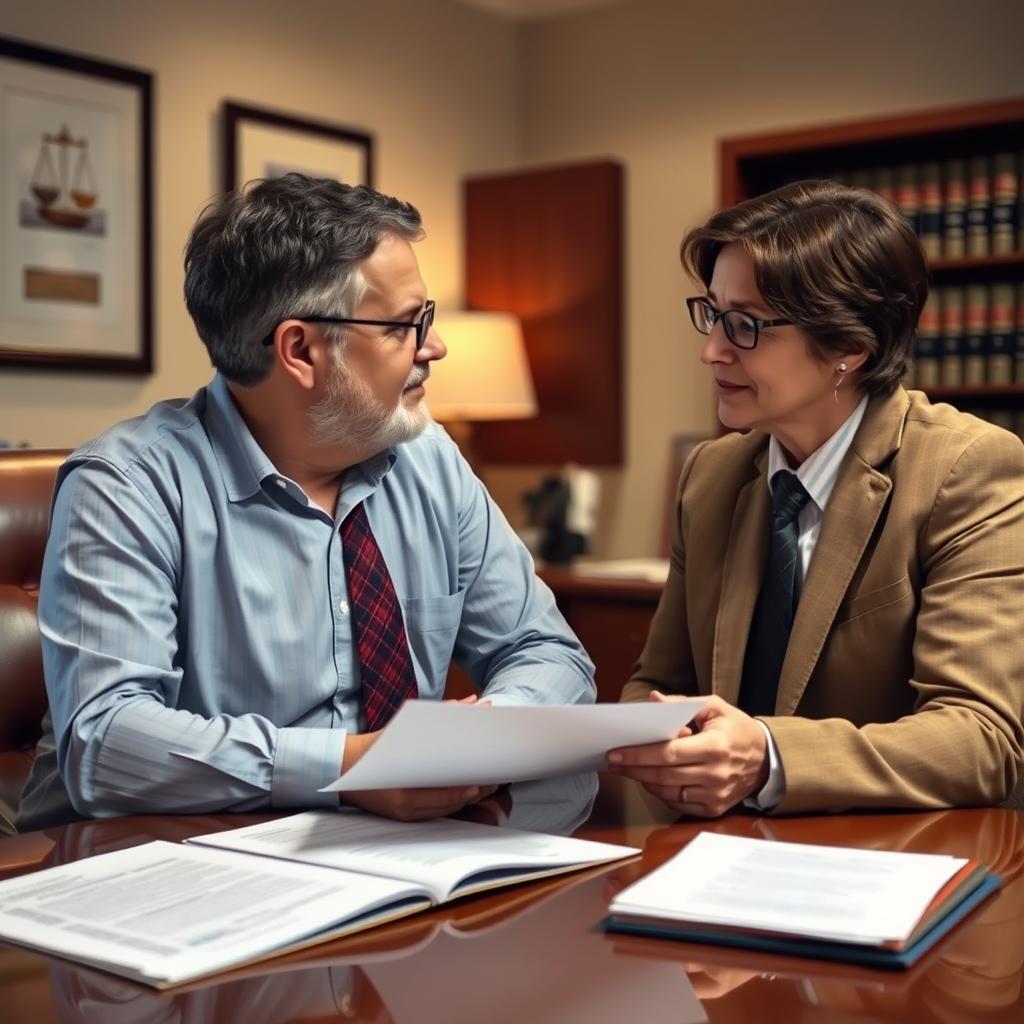
Leaving the Scene Defense Lawyer Stafford County, VA
You were driving south on I-95 through Stafford County when traffic slowed suddenly. You tapped your brakes but couldn’t avoid a low-speed tap on the car ahead. Both vehicles pulled to the shoulder. After a tense exchange of words and what you believed was an agreement to handle the matter privately, you drove home. Days later, a Virginia State Police trooper appeared at your door with a summons charging you under Va. Code § 46.2-894 — leaving the scene of an accident. Suddenly a moment of panic and miscommunication has become a criminal charge that threatens your driving record, your insurance, and possibly your freedom. Law Offices Of SRIS, P.C. – Advocacy Without Borders.
If this scenario sounds familiar, you know how quickly a minor incident can spiral. The attorneys at Law Offices Of SRIS, P.C. Know the Stafford County courts, understand Virginia’s leaving-the-scene statute, and work to help drivers untangle these charges before they cause lasting harm. Call (703) 636-5417 or (888) 437-7747 to speak with a member of our team.
Defense Strategies for a Leaving the Scene Charge in Stafford County
Leaving the scene — often called hit-and-run — is more than a traffic ticket in Virginia. Depending on the damage and whether anyone was injured, it can be a misdemeanor or a felony. Law Offices Of SRIS, P.C. approaches each case by examining every detail: Was the stop complete? Did the driver actually know an accident occurred? Was the information exchanged sufficient under the law? The answers can reshape the prosecution’s case.
Our defense work often focuses on the factual dispute itself. We review witness statements, surveillance footage from nearby businesses, vehicle damage reports, and the police investigation file. If the evidence is weak or the identification of the driver is uncertain, we press for dismissal. In many matters we can also negotiate with the Commonwealth’s Attorney to secure a reduced charge — for example, amending a felony leaving-the-scene to a misdemeanor offense — so that a client avoids the most serious consequences.
What to Expect at the Stafford County General District Court
Stafford County General District Court, located at 1300 Courthouse Road in Stafford, handles most leaving-the-scene cases as misdemeanors. If you are charged with a felony, the matter will be heard in Stafford County Circuit Court after a preliminary hearing. The timeline depends on the court’s docket, but once a summons or arrest warrant is served, the case moves forward under the schedule the court sets.
At a General District Court trial, a judge — not a jury — hears the evidence. The Commonwealth must prove the charge beyond a reasonable doubt. Many defendants attend their first court date without an attorney and quickly realize how much preparation matters. Having a lawyer who regularly appears in Stafford County courts means your side is presented clearly and any procedural missteps by the state can be challenged. After a conviction in General District Court, a defendant has the right to appeal de novo to the Circuit Court for a new trial.
Penalties for Leaving the Scene in Virginia — A Narrative Overview
Virginia law treats leaving the scene of an accident seriously. When a driver leaves after an accident that results in injury or death, the offense is a felony carrying potential imprisonment of years and a permanent criminal record. Even when the accident involves only property damage, the offense can still be a felony if the damage is substantial. Misdemeanor leaving-the-scene convictions bring the possibility of jail time, substantial fines, a six-point DMV entry, and license suspension.
Beyond the immediate court-imposed penalty, a conviction creates collateral costs: elevated insurance premiums for years, a criminal record that appears on background checks, and for CDL holders, a commercial driving disqualification. The firm’s goal is to avoid these long-term consequences whenever possible by challenging the evidence, negotiating a reduction, or, where the facts warrant, proceeding to trial.
About Mr. Sris and His Of Counsel Team
Mr. Sris, Owner and Founder of Law Offices Of SRIS, P.C., is a former prosecutor who has practiced since 1997 and is admitted in Virginia, Maryland, the District of Columbia, New Jersey, and New York. His Of Counsel bring extensive experience across criminal and traffic defense, including extensive investigations work and familiarity with Virginia law-enforcement procedures. Together, Mr. Sris and his Of Counsel have documented favorable outcomes in thousands of cases.
In Stafford County, Mr. Sris and his Of Counsel have recorded 89 leaving-the-scene case results: 38 dismissals or not-guilty findings, 49 charges reduced or amended, and 2 other favorable outcomes. Results may vary.
For a full statutory breakdown of Virginia’s leaving-the-scene statute, see our comprehensive analysis at srislawyer.com.
Frequently Asked Questions About Leaving the Scene Charges
Do I need a lawyer for a leaving-the-scene charge in Stafford County?
You are not required to hire an attorney, but representing yourself on a leaving-the-scene charge can be an unnecessary risk. Even a misdemeanor conviction can result in a criminal record, elevated insurance rates, and driver’s license points that stay on your record for years. A lawyer who understands the Stafford County court system can identify weaknesses in the evidence, pursue charge reductions, and present mitigating circumstances that a pro se defendant might overlook. Given the possibility of jail time and the long-term consequences, most people benefit from experienced counsel.
What should I do if a police officer shows up at my door asking about an accident?
Be polite but do not answer questions about the accident until you have spoken with a lawyer. Anything you say can be used against you later. Virginia law enforcement takes leaving-the-scene allegations seriously, and an officer’s questions may feel casual but are part of building a case. If you are placed under arrest or given a summons, contact an attorney as soon as possible. Preserve any relevant photographs, messages, or repair records, and do not discuss the incident on social media or with anyone other than your lawyer.
How does the Commonwealth prove a leaving-the-scene case in Virginia?
The prosecutor must prove that you were the driver, an accident occurred, and you knowingly left without sharing required information. The “knowingly” element is often the most contested. A driver who honestly did not realize there was a collision or who stopped and provided a name and phone number is not necessarily guilty. The evidence typically includes witness identifications, vehicle damage analysis, surveillance video, and sometimes the defendant’s own statements to police. A defense attorney’s job is to scrutinize each piece for reliability.
Can leaving-the-scene charges be dropped or reduced in Stafford County?
Yes, many leaving-the-scene charges can be resolved favorably before trial or through negotiation. If the evidence is weak, the Commonwealth’s Attorney may agree to dismiss the charge. In more serious matters, the goal may be to reduce a felony to a misdemeanor, or a misdemeanor to a non-criminal offense such as a traffic infraction. In Stafford County, our documented results include charge reductions that kept clients out of jail and helped them preserve clean driving records. Every case is unique; speak with an attorney about what may be possible in yours.
What are the possible penalties for a leaving-the-scene conviction in Virginia?
A conviction can mean jail time, a substantial fine, a six-point DMV entry, license suspension, and a criminal record. The exact punishment depends on whether the charge is a misdemeanor or a felony and on the specific facts. A felony record can affect employment, security clearances, and the ability to own a firearm. The court also considers any prior traffic or criminal history. Even a first-time misdemeanor may bring short-term incarceration. An attorney can help you understand the realistic exposure in your particular situation.
I was charged with felony leaving-the-scene. What does that mean?
A felony leaving-the-scene charge means the prosecution alleges someone was injured or killed, or that property damage exceeded a certain threshold. Even if you believe the injury is minor, Virginia law treats cases involving bodily harm very seriously. Felonies are heard in Circuit Court, and a conviction can carry years in prison. If you are facing a felony allegation, having counsel early — before the preliminary hearing — is critical. The firm has experience handling serious traffic felonies and can begin building your defense immediately.
How do I choose a leaving-the-scene defense lawyer in Stafford County?
Look for a lawyer who appears regularly in Stafford County courts and whom you feel comfortable speaking with. Ask about their experience with Virginia leaving-the-scene cases, whether they have handled both misdemeanor and felony charges, and what outcomes they have helped other clients achieve. The initial conversation should give you a clear sense of what to expect, even though no lawyer can promise a particular result. Mr. Sris and his Of Counsel have represented clients in Stafford County for decades and offer phone consultations to discuss your case.
Will my insurance rates go up after a leaving-the-scene charge?
A conviction almost always leads to a significant insurance increase, while a dismissal or reduction may limit the impact. Insurance companies see a conviction as proof of risky behavior and often raise premiums dramatically or even cancel the policy. Even if your case ends without a conviction, the fact of being charged can appear on your driving record and may affect rates. Resolving the case in the most favorable way possible is therefore not just about the criminal penalty — it affects your wallet for years.
What is the difference between leaving the scene and hit-and-run in Virginia?
Virginia law uses the term “leaving the scene of an accident” under Va. Code § 46.2-894; “hit-and-run” is the common name for the same offense. The statute requires a driver involved in an accident resulting in injury, death, or property damage to stop, provide information, and render reasonable assistance. Failing to do so is the crime. The severity varies with the consequences of the accident: property-damage-only can be a misdemeanor or felony; injury or death elevates the charge significantly. The legal defense strategies are the same regardless of the label.
How long will the case take in Stafford County?
The timeline varies depending on the court’s docket and the complexity of your matter. Many misdemeanor cases are heard within a few months of the summons, while felonies take longer because of the preliminary-hearing and Circuit Court schedule. Each step — arraignment, trial date setting, motions hearings — is set by the judge. Having an attorney can help ensure the case moves forward efficiently and without unnecessary delays.
To discuss the details of your leaving-the-scene charge, reach Law Offices Of SRIS, P.C. at (888) 437-7747 or (703) 636-5417. We respond to inquiries promptly and can speak with you about your options.
Law Offices Of SRIS, P.C. — Fairfax Location
4008 Williamsburg Court
Fairfax, VA 22032
By appointment only. Call (703) 636-5417 or (888) 437-7747 to schedule.
Attorney advertising. Prior results do not guarantee a similar outcome. Results may vary.
Case results depend on a variety of factors unique to each case.